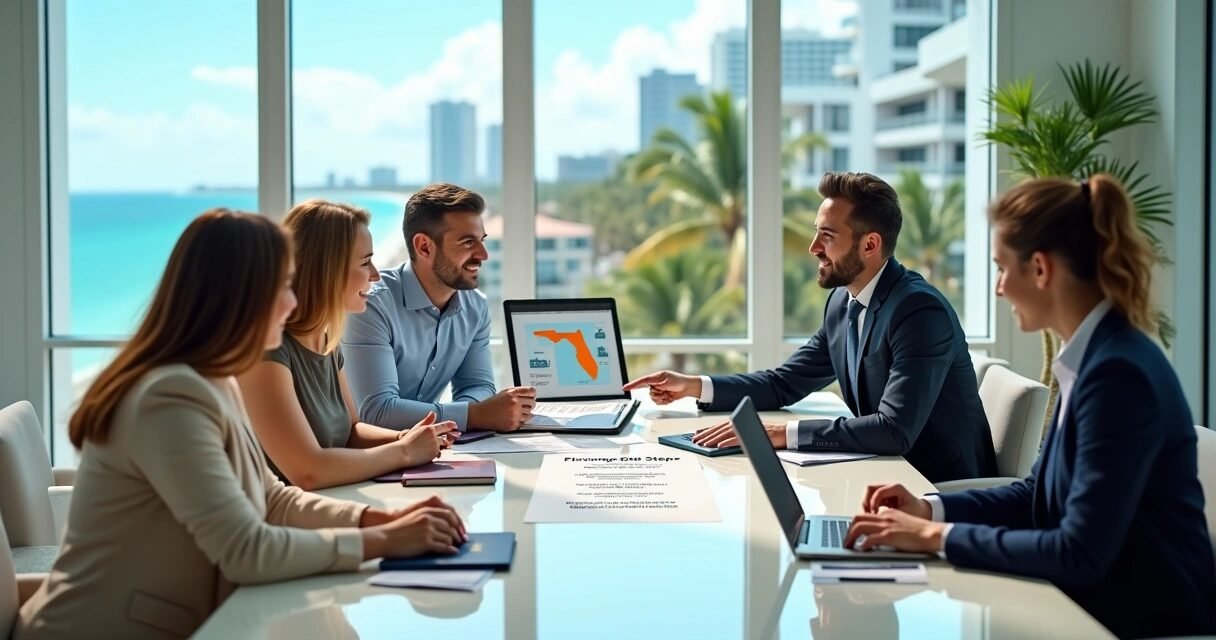



Brazilian residents can explore mortgage financing for a Florida home without relocating first, although the steps and documents differ from a typical U.S. purchase. A foreign national mortgage is one possible path for people who live outside the United States, and much of the process may be coordinated remotely. The practical key is to confirm lender and title-company requirements before transferring funds, making an offer, or signing closing documents.
Key points for Brazilian buyers
- Foreign national, ITIN, and conventional financing are different paths, not interchangeable labels.
- Ask a licensed loan officer which documents, translations, and funds records a lender will review.
- Coordinate the offer, appraisal, condo review, and closing arrangements with the relevant professionals.
- Plan for property taxes, insurance, and cross-border tax questions after closing.
1. Choose a financing path for a non-U.S. resident
A foreign national mortgage program is designed for borrowers who reside outside the United States. It is distinct from an ITIN-based mortgage path and from a conventional loan, which follow their own program and lender requirements. Do not assume that having, or not having, a U.S. tax ID or credit record automatically determines which option fits.
Start by describing your residence, income sources, intended property use, and how you plan to document the funds for the purchase. Heart Mortgage is a mortgage broker, not a lender. It compares programs from multiple lenders and has a foreign national mortgage program page with information for non-U.S. residents. Requirements vary by borrower profile, program, lender, and property.
2. Begin with a Portuguese-language planning call
A first video call with a licensed Portuguese-speaking loan officer can help organize the financing questions before you choose a property. Heart Mortgage has 11 licensed loan officers who speak Portuguese and offices in Boca Raton and Orlando. Its mortgage professionals can discuss the information lenders may request and help compare available programs.
Use the call to explain whether you are considering a vacation home or investment property, how you earn income in Brazil, and whether the purchase would involve a condominium. Ask which documents should be gathered, how translations should be prepared, and what steps require coordination with a U.S. title company. A planning conversation is not a loan approval or a commitment to lend.
3. Organize Brazilian income and banking documents
Prepare a clear record of identity, income, and available funds. Depending on the lender and your work arrangement, a file may include:
- Valid Brazilian passport and, if requested, CPF details.
- Brazilian individual income tax returns, known as Declaração de Imposto de Renda or IRPF.
- Pay stubs, known as holerites, or owner compensation records, known as pró-labore.
- An accountant’s income letter or a DECORE income statement, if accepted by the lender.
- Personal or business bank statements and bank reference letters, if requested.
Ask the loan officer which records need English translations, whether the lender has format requirements, and whether a translator’s certification is needed. Keep the original documents alongside translations, and make sure names, dates, and income figures are consistent across the file.
4. Plan the down payment transfer with a documented trail
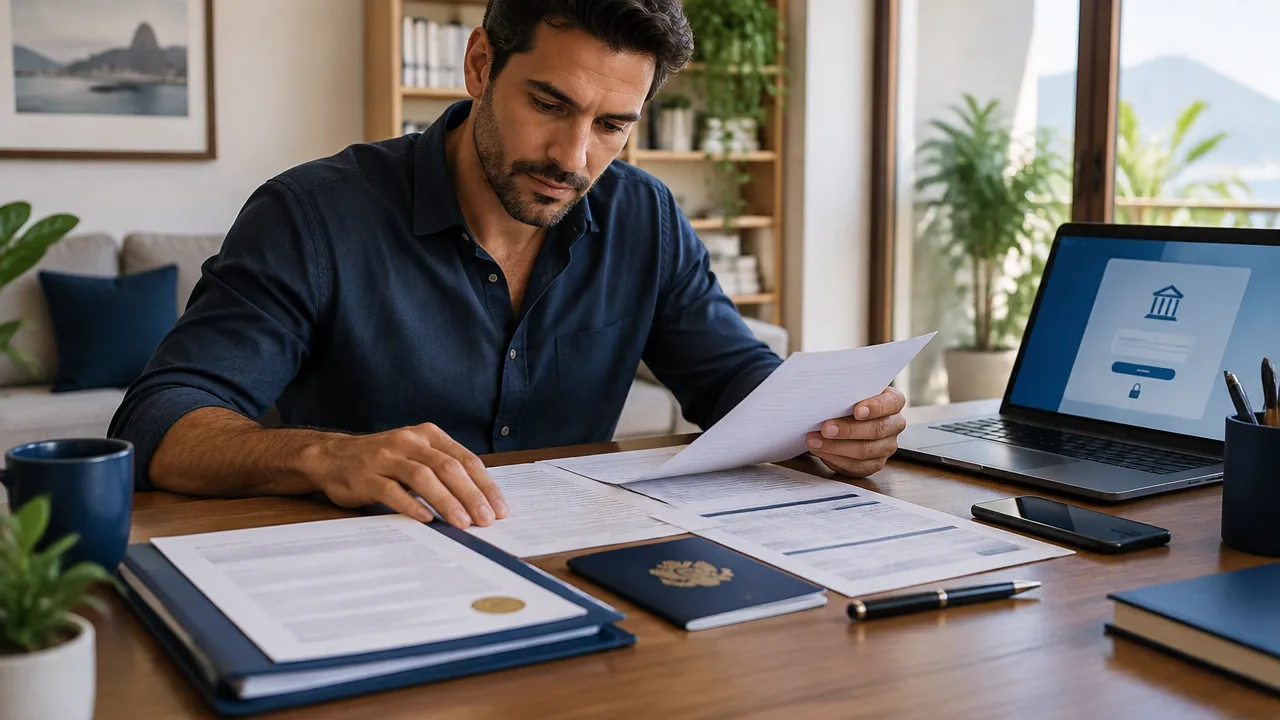
Discuss the planned transfer with the lender and title company before moving purchase funds. They may need to review where the money came from, which account holds it, and how it moved into the U.S. account used for closing. Keep bank statements, transfer confirmations, and related records together so the source and path of funds can be documented.
Use a bank or another regulated transfer provider, and confirm the receiving account and payment instructions independently with the intended recipient. Ask in advance whether funds must come from an account in your name and what documentation the lender or title company requires. Avoid relying on cash or unexplained transfers from unrelated third parties.
5. Choose a property and review the offer carefully
Once you understand the likely financing path and document needs, work with a Florida real estate agent to identify a suitable home or investment property. The offer contract should explain the purchase terms, deposit instructions, deadlines, and any financing-related provisions. Review these details with your agent and, when appropriate, a real-estate attorney before signing.
An escrow deposit is handled according to the contract and escrow instructions. Confirm who holds it, how it must be sent, and what happens if the transaction does not proceed. The deposit and the down payment are separate parts of the transaction, so ask how the deposit will be accounted for at closing.
6. Prepare for appraisal and condominium review
A lender may require an appraisal to evaluate the property as part of its financing review. If you are buying a condo, the lender may also review the condominium project and association information. These property-level reviews are separate from assessing your personal income and assets.
Ask your agent, loan officer, and title company who will request each item and how to respond if additional records are needed. Condo requirements can differ by project, program, and lender, so do not assume that financing review of one unit establishes eligibility for another property.
7. Arrange a closing method before signing abroad
Travel may not be necessary for every closing, but the lender and title company must accept the signing method and documents. One option may be a power of attorney signed in Brazil, with wording approved in advance and an apostille if required. Brazil’s Apostille Convention took effect in 2016, as described in Brazil’s Apostille Convention guidance.
An apostille does not replace the need to confirm the exact document, translation, and signing requirements with the receiving parties. Remote online notarization may be another option only when the lender and title company accept it. Ask them to approve the process before signing or scheduling a notary.
8. Budget for ownership and future tax questions
After closing, plan for recurring costs such as property taxes, insurance, condominium fees, maintenance, and property management if you will rent the home. Florida property taxes are handled by county officials; the state’s county property-tax directory can help you find a local property appraiser and tax collector.
If you rent the property or later sell it, speak with a cross-border tax professional about U.S. reporting and potential FIRPTA requirements. The IRS explains that FIRPTA can require withholding when a foreign person sells U.S. real property, but the specific treatment depends on the transaction. This article is general information, not tax advice or a commitment to lend.
Frequently asked questions
Can Brazilian residents get a mortgage for a Florida property?
Yes. Some mortgage programs are designed for people who live outside the United States and want to finance U.S. property. A lender reviews the borrower, property, funds, and documents under its own guidelines. A mortgage broker can compare available programs, but financing is not automatic.
Is a foreign national mortgage the same as an ITIN or conventional loan?
No. A foreign national program is intended for borrowers who reside outside the United States. An ITIN is a U.S. tax identification number, while conventional loans follow different qualification rules. Which path fits depends on the borrower’s circumstances and each lender’s program requirements.
Do I have to travel to Florida to close?
Not always. Some buyers arrange closing with a power of attorney signed in Brazil and apostilled, while others may use remote online notarization if the lender and title company accept it. Confirm the required documents, wording, signing method, and identity checks before arranging the appointment.
Can non-U.S. citizens buy property in Florida?
Non-U.S. citizens can purchase Florida property in many circumstances, but property ownership rules and exceptions may depend on a buyer’s status and the property. Citizenship and mortgage eligibility are separate questions. Ask Florida real-estate counsel about ownership rules, and confirm financing requirements with the lender or broker.
What documents should Brazilian borrowers prepare?
Prepare a valid passport, Brazilian tax-return records, proof of income, and bank statements. Depending on your work and lender requirements, records may include pró-labore, pay stubs, a DECORE income statement, an accountant’s letter, or bank reference letters. Ask which documents need English translations and how they must be certified.